

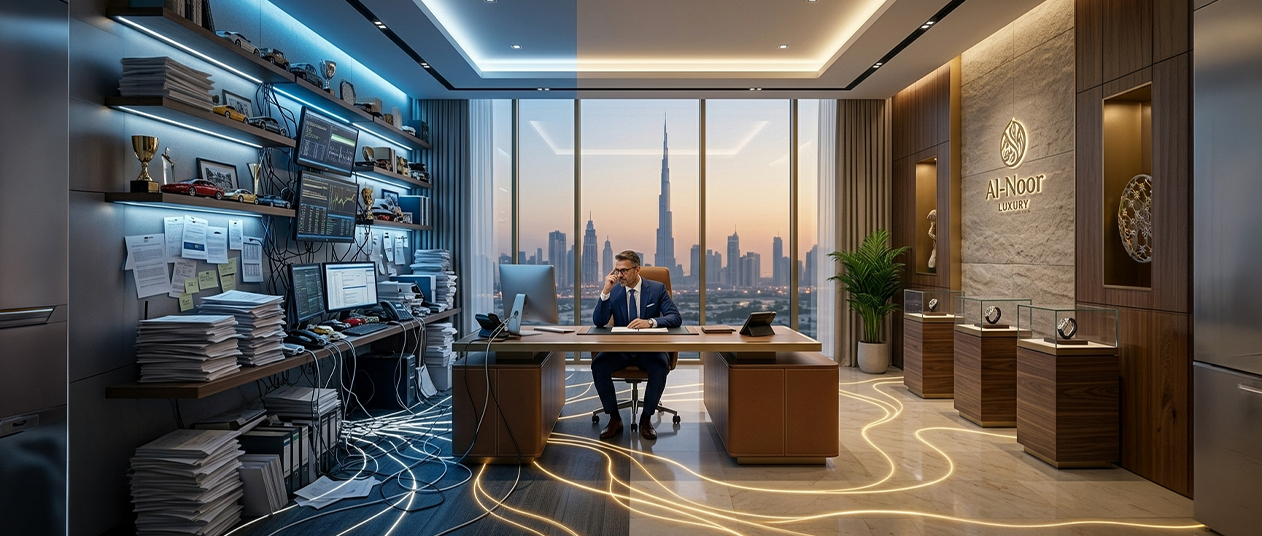
Leadership spaces influence more than most businesses realise.
Business owners, founders, and senior professionals spend long hours inside their offices handling decisions that directly affect employees, finances, clients, and long term growth. Over time, the environment where those decisions happen begins influencing emotional clarity and mental balance in subtle ways.
Some leadership cabins naturally feel calm and focused.
Others constantly feel mentally exhausted even when the office itself looks visually impressive.
This difference is something many professionals experience but rarely pause to analyse properly.
In fast-paced cities like Dubai, the workspace atmosphere plays a much deeper role in professional life than many people initially assume, especially since business pressure has become a constant part of their lives.
Sometimes the issue is not workload alone.
Occasionally the environment itself quietly increases mental pressure throughout the day.
Unlike general work areas, leadership cabins often carry an entirely different emotional atmosphere.
Decision makers regularly manage:
Because of this, leaders spend most of their day in highly demanding mental states.
If the workspace itself also feels restrictive, cluttered, visually overwhelming, or emotionally uncomfortable, emotional fatigue gradually increases over time.
This is one reason some professionals begin feeling mentally exhausted even before the workday fully progresses.
In many offices, external business challenges do not always cause the pressure.
Sometimes the workspace itself silently contributes to emotional tension.
People emotionally respond to spaces, whether they consciously recognise it or not.
Certain leadership cabins naturally feel:
Other environments constantly feel:
Interestingly, this often has very little to do with luxury or office size.
Some premium offices still feel mentally uncomfortable despite expensive interiors and modern layouts.
At the same time, relatively simple workspaces sometimes feel significantly calmer and easier to function within daily.
The difference usually comes from environmental balance rather than appearance alone.
Movement flow, openness, seating orientation, lighting balance, and overall visual organisation all quietly influence how leaders emotionally experience their workspace.
One of the most overlooked issues inside leadership spaces is visual overload.
Many offices gradually become filled with:
Over time, the mind remains constantly stimulated without moments of visual calmness.
This may not create immediate problems, but long-term exposure to mentally crowded environments often increases:
Even short meetings begin feeling unusually draining inside environments that constantly feel psychologically heavy.
Cleaner and more organised workspaces usually create noticeably calmer emotional experiences during daily operations.
Lighting strongly affects how leadership spaces feel emotionally.
Overly harsh lighting often creates irritation and visual fatigue during long working hours. At the same time, poorly lit cabins may feel emotionally dull, mentally tiring, or disconnected from the broader office environment.
Balanced lighting helps leadership spaces feel calmer, softer, and easier to operate within throughout the day.
Seating orientation also influences workspace psychology more than many businesses realise.
When leaders constantly operate inside positions that feel visually restrictive or disconnected from the overall workspace flow, concentration and emotional comfort gradually become affected over time.
Employees may never consciously notice these environmental patterns, but the atmosphere still influences how communication and leadership energy spread throughout the office.
The emotional state of leadership teams quietly affects the workplace atmosphere across the entire office.
When leaders constantly feel mentally exhausted, emotionally pressured, or visually overwhelmed, that tension eventually spreads through:
Employees naturally absorb emotional energy from leadership environments whether consciously or subconsciously.
This is one reason some workplaces constantly feel tense despite having capable teams and successful operations externally.
At the same time, calmer leadership environments often create smoother communication and more emotionally stable workplaces overall.
The atmosphere at the top usually influences the emotional rhythm of the entire workspace.
Dubai’s professional environment is highly ambitious and performance-driven.
Many professionals spend their days managing:
Because daily professional life already feels mentally demanding, leadership spaces become even more important.
If the workspace itself also feels emotionally exhausting, mental pressure increases much faster over time.
This becomes especially noticeable in:
As workplace wellbeing becomes more important globally, many businesses in Dubai are becoming increasingly conscious about office atmosphere and environmental comfort inside leadership spaces.
Some leadership cabins naturally create environments where:
This often happens when the workspace feels emotionally balanced overall.
The environment does not constantly overstimulate the mind visually or emotionally.
Instead, the space quietly supports concentration and mental clarity throughout the day.
This is one reason businesses today are becoming increasingly aware of workspace planning, office alignment, and commercial Vastu guidance.
The goal is not superstition.
The goal is creating leadership environments that support clear thinking rather than silently increasing emotional pressure over time.
Not every leadership workspace issue requires major renovation.
Sometimes relatively small environmental adjustments create meaningful improvements in how a cabin feels emotionally.
Reducing clutter, improving lighting balance, creating smoother movement flow, reorganising furniture placement, and improving overall openness often help leadership spaces feel calmer and easier to operate in daily.
Even subtle environmental changes can influence emotional comfort more than businesses initially realise.
Modern office planning increasingly recognises that a workplace atmosphere and emotional balance closely connect to decision-making quality.
Leadership environments influence much more than appearance alone.
The atmosphere where business decisions happen every day quietly affects focus, emotional comfort, communication quality, and overall workplace energy.
Some offices naturally support clarity and stability, while others constantly increase mental pressure despite looking visually impressive.
As businesses in Dubai continue prioritising healthier and more balanced work environments, leadership space planning is becoming an increasingly important part of modern office design.
Sometimes improving the emotional comfort of a workspace creates clarity and stability that businesses initially struggle to explain logically.


